
Change within organisations can take various forms, from technological advancements to shifts in market demands. Regardless of its nature, change is inevitable. It often brings uncertainty and resistance among employees. Leaders must understand the company's culture, values, and behaviours to effectively drive change. Gaining buy-in from leadership and stakeholders is crucial in conveying the necessity for change and garnering support for its implementation.

Effective communication is paramount throughout the change process. Clear, timely, and consistent communication helps alleviate uncertainty and builds trust among employees. Leaders must convey the rationale for the change, its expected impact, and each individual's role in the transition. Moreover, effective communication allows for adjustments to the change program as needed, ensuring its success.
Resistance to change is natural, but it can prevent progress if not addressed. Identifying and addressing concerns, doubts, and resistance early on is essential. Leaders must engage with employees, acknowledge their concerns, and provide support and resources to ease the transition. Additionally, incentivising and recognising teams and individuals who embrace change reinforces the importance of adaptability and cultivates a culture that values innovation.
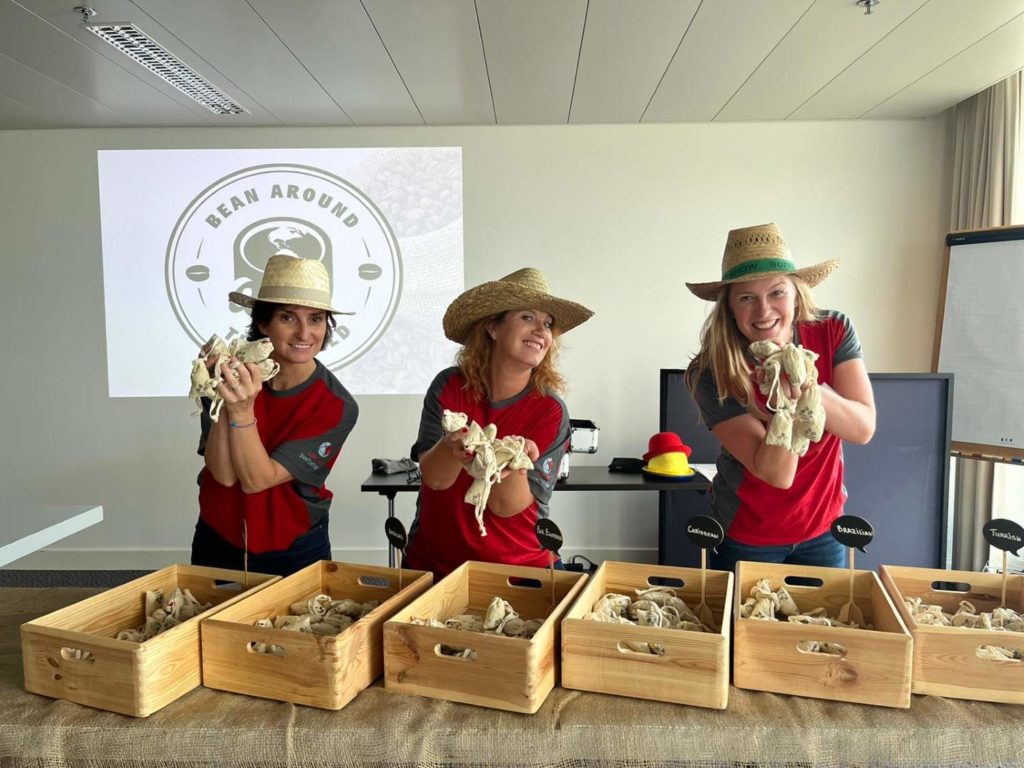
Team building activities offer a unique opportunity to foster unity, collaboration, and adaptability within teams. By engaging in activities that promote communication, trust, and problem-solving, teams develop a sense of camaraderie and shared purpose. Moreover, team-building events provide a platform to discuss strategies for implementing change, address concerns, and collectively brainstorm solutions. As teams bond and collaborate, they become more adaptable and resilient in the face of change, driving organisational success.
Here are six team-building activity suggestions from the Catalyst Team Building Network, aimed at harnessing the power of teamwork, communication, and collaboration to help manage change.
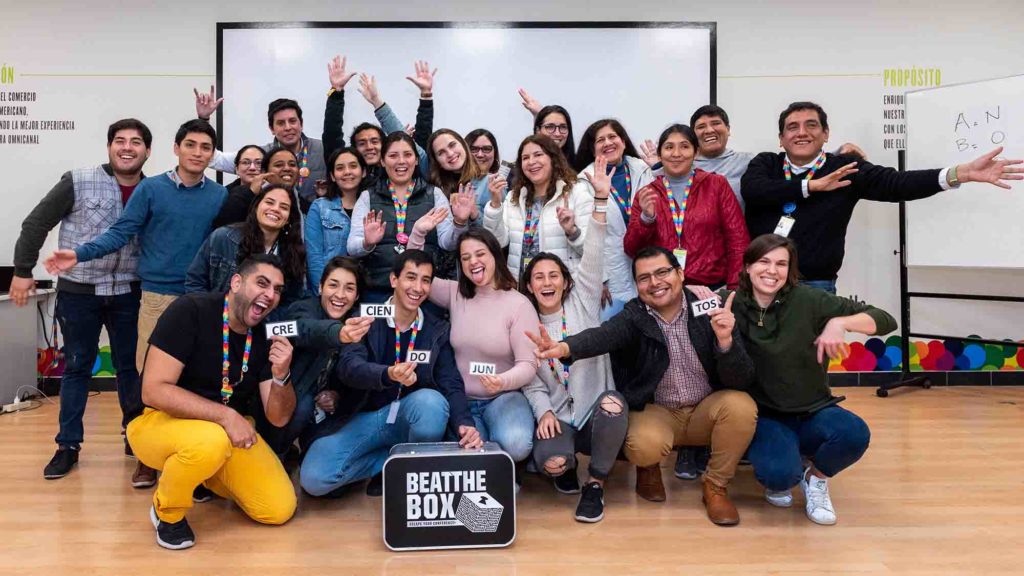
Managing change within organisations is a multifaceted endeavour that requires a multifaceted approach, encompassing strategic planning, effective communication, and a commitment to fostering adaptability. Team building activities play a crucial role in this process, enabling teams to strengthen their dynamics and embrace change as an opportunity for growth. As organisations empower their teams to navigate through change together, they position themselves for success in an ever-evolving business landscape.
Discover how Catalyst's engaging team-building activities can harness the power of teamwork, communication, and collaboration to build a resilient and adaptable organisational culture that thrives amidst change.
Don’t risk losing business or damaging staff morale by facing real challenges unprepared. Better to tackle issues of change through fun, gamified team-building exercises. Play before you pay—leverage our expert guidance to prepare your team for success! Get in touch with your local representative today.
© 2026 All rights reserved.