Why Adaptability Matters Now
1. The pace of change is accelerating
Technologies such as generative AI, automation, digital-native ways of working, and hybrid/remote models are all disrupting traditional roles, processes, and structures. Research from Deloitte shows that more than 70% of global executives view their people’s ability to adapt, reskill and take on new roles as the top attribute for navigating future disruption.
2. Human skills matter just as much as tech skills
A recent Deloitte survey found that 87% of workers see human skills — including adaptability, leadership and communication — as critical to career advancement. Yet only about 52% believe their organisation values these skills more than technical ones. This gap highlights a strategic risk: without actively developing adaptability, companies may struggle to fully harness innovation.
3. Adaptability drives organisational resilience
Research also identifies “adaptable workforce” as one of five key traits shared by resilient organisations that successfully pivot in the face of shocks. In short: when things don’t go to plan, adaptability dictates whether teams adjust and move forward — or get stuck.
What Does It Look Like in Practice?
Adaptability isn’t just one thing. It involves multiple dimensions:
- Cognitive flexibility: Teams shift thinking, ask new questions, and explore alternatives.
- Behavioural agility: People adopt new ways of working, step into unfamiliar roles, and collaborate differently.
- Emotional resilience: Individuals manage uncertainty and stay curious rather than defensive when change hits.
- Team and organisational readiness: Structures, practices, and culture enable people to move, learn, and adapt.
When these combine, teams can sense opportunities and threats, shift direction, and respond proactively.
Building an Adaptable Mindset and Culture
A. Leadership & culture
- Encourage a mindset of “change is part of the norm” rather than “we’ll deal with change when it happens”.
- Embed a model of continuous learning, growth and mobility. According to Deloitte, organisations that design for adaptability help their workforce build enduring capabilities rather than only expiring skills.
- Promote distributed decision-making and empower front-line teams to act. Research on workforce agility emphasises shifting from control to empowerment.
B. Skills & behaviours
- Promote cross-functional rotations, role variety, and stretch assignments.
- Develop capabilities in rapid experimentation, platform thinking, and collaboration across silos.
- Support emotional and cognitive flexibility – for example, by using simulations, scenario-learning, and “safe-fail” environments.
C. Experiential learning & immersive approaches
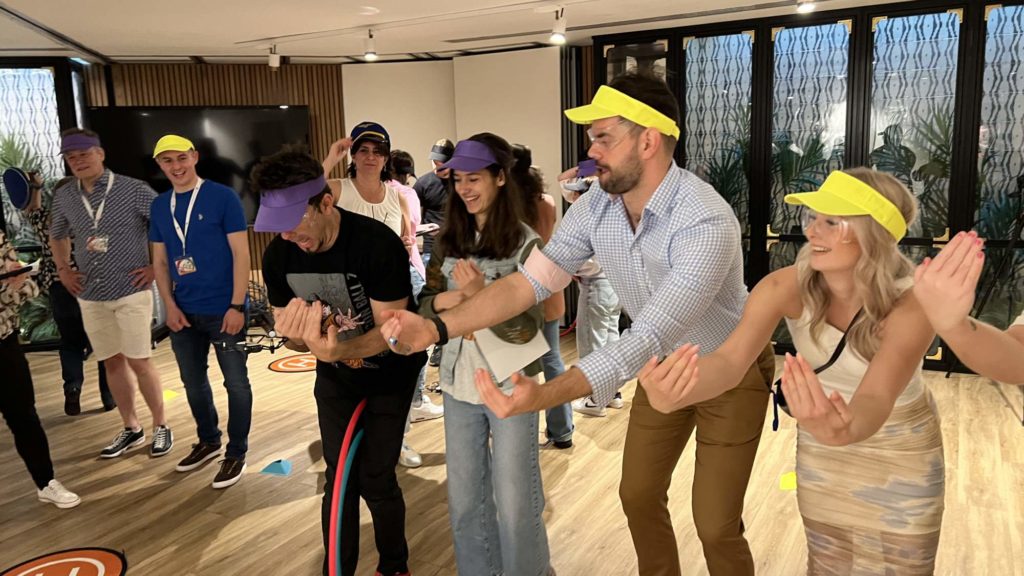
- Hands-on team experiences provide participants with a safe yet intense environment to practice adaptability.
- Research suggests that stepping into unfamiliar scenarios helps teams learn to respond quickly, experiment with new approaches, and stay flexible under pressure.
D. Reinforce & sustain
- Feedback loops: teams reflect on what worked/what didn’t, iterate.
- Link learning to business outcomes: connect adaptive behaviours to speed, innovation, resilience.
- Recognise and reward adaptability: highlight and celebrate teams that pivot, iterate, and learn faster.
Why Experiential Team-Building Works for Adaptability
- Dynamic, time-bound challenges place people in situations where they must adapt in real time.
- By bringing elements such as AI, simulation, gamification or role-play, the “unknown” becomes the context, forcing flexible thinking.
- Teams learn to collaborate in the face of ambiguity, make rapid decisions, adapt their strategy, and then reflect on outcomes.
- Experiential team building creates behavioural change — people don’t just know adaptability is important, they experience it.
- When done effectively, the confidence and muscle built in these activities carry back into the workplace, becoming part of team habits.
Clear Actions for Organisations & Teams
Leadership
- Audit your organisation: Do you reward adaptability, mobility and learning? Or do you reward stability, repetition and depth alone?
- Create “adaptive zones” where teams are free to experiment, fail safely, and pivot.
- Build a learning ecosystem: support continuous, just-in-time learning rather than only fixed annual programs.
People & Teams
- Adopt a growth mindset: view new tools (especially AI) and change as opportunities.
- Seek stretch assignments, cross-team projects or rotational tasks to build versatility.
- Reflect after each sprint/initiative: what did we adapt? What did we resist? How can we do differently next time?
HR/People Function
- Design career pathways that are flexible: allow movement across roles/functions rather than a siloed ladder.
- Use scenario-based learning, simulations, and immersive team challenges to embed adaptability behaviours.
- Track metrics beyond technical skills: include indicators of team agility, responsiveness, and adaptability.
High Impact Team Building Activities that Develop Adaptability
Looking for a high-impact team-building activity that aligns with developing adaptability? Each one engages teams in challenge and change, encouraging flexible thinking, fast decision-making and collaboration:
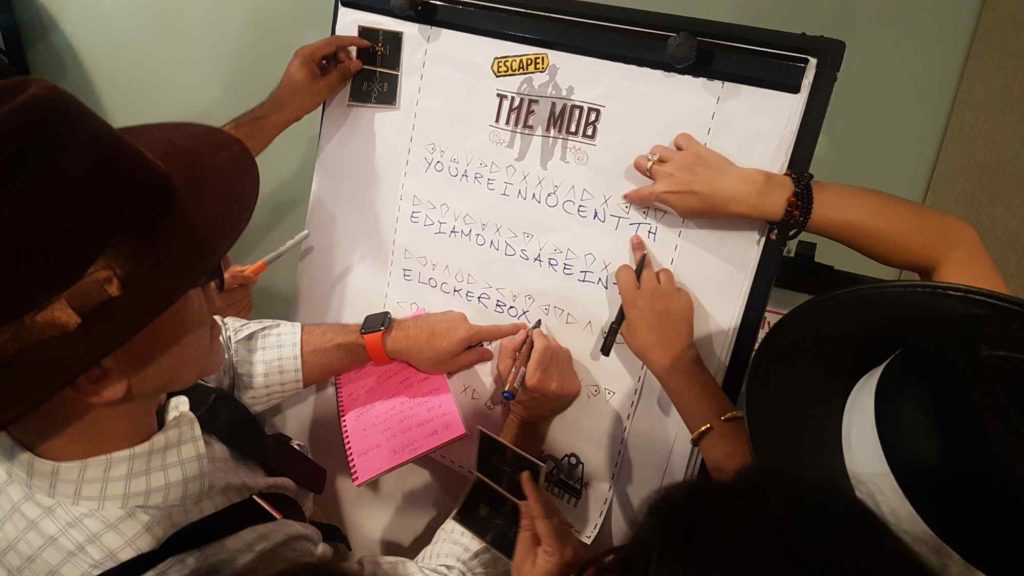
- Escape the Mob – teams must adapt under pressure, navigate evolving obstacles and make dynamic decisions.
- Bean Around the World – teams simulate fluctuating global markets and shifting supply chains — forcing quick strategic pivots, adaptive collaboration and resilient decision-making in a dynamic business environment.
- River Runner – a dynamic, moving-fast scenario where weather conditions affect the river, requiring teams to adjust their approach.
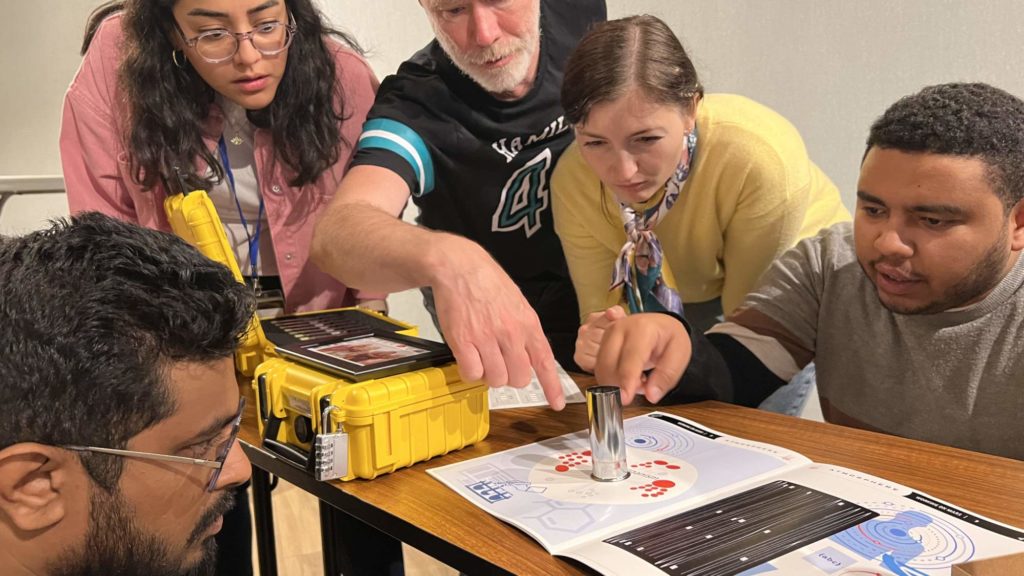
- Atmosphere – teams must respond to shifting conditions and unexpected mission-updates as they build a livable environment on Mars — reinforcing how adaptability, rapid learning and fluid teamwork turn change into opportunity.
- Drone Control – teams must swiftly redesign their flight strategy and manoeuvre through evolving obstacles — cultivating adaptable thinking, real-time collaboration and flexible decision-making under pressure.
- Situation Room – crisis-simulation format: new inputs, new threats, rapid re-prioritisation and agile teamwork.
- Chain Reaction Table Top – emphasises cause-and-effect, team collaboration, iterative adaptation and strategic shifts.
Each of these programs is a strategic tool for building adaptability, helping teams leave with stronger adaptive muscle.
Conclusion
In a world where change is the only constant, adaptability is no longer a “nice to have” – it is a strategic imperative. Organisations that equip their people to anticipate, pivot and thrive amid uncertainty will outperform those anchored in fixed processes and old mindsets.
By embedding adaptability into culture, fostering rich experiential learning, and leveraging immersive team-building programs, you transform teams from mere reactors to leaders of change.
Start now: treat every challenge as a chance to stretch, learn, iterate and grow. The next time change shows up, your team will be ready!
Contact your local Catalyst Team Building Network representative to discover how our end-of-year programs can help you foster a more collaborative, high-performing, and purpose-driven team — and set your organisation up for a stronger year ahead.
