
Creative thinking is increasingly recognised as a critical competency for the future workforce.
The World Economic Forum’s Future of Jobs Report 2025 ranks creative thinking as the fourth most important core workforce skill, with 57% of surveyed employers identifying it as essential. Alongside analytical thinking, resilience and leadership, creativity is now considered a fundamental capability for navigating change.
Research from Deloitte’s 2025 Global Human Capital Trends report reinforces its business relevance. Organisations that successfully increase employees’ capacity for personal growth, imagination and deeper thinking are 1.8 times more likely to report better financial results.
Although this relationship does not establish causation, it underscores the increasing recognition that human capabilities contribute to organisational performance.
The primary challenge is creating the conditions for these capabilities to develop.
Deloitte’s research on organisational capacity shows that although businesses recognise the importance of imagination and deeper thinking, many struggle to free employees from everyday demands.
When schedules are dominated by meetings, deadlines and established processes, opportunities to explore new ideas can easily disappear.
Creative thinking requires more than encouragement; it needs time, psychological safety, and opportunities to experiment.
Creative thinking is the ability to generate original, useful ideas by integrating existing knowledge, questioning assumptions, and approaching challenges from multiple perspectives.
Although people often associate creativity with artistic expression, workplace creativity extends well beyond traditional creative roles. It influences how teams solve problems, improve processes, develop products, communicate with customers and respond to unexpected challenges.
Several capabilities contribute to effective creative thinking:
These skills hold value across all departments and organisational levels.
A creative solution may involve developing a new product, but it can also mean simplifying internal processes, improving communication, or identifying more effective ways to collaborate.
Creative thinking and innovation are closely related, yet they serve distinct functions within organisations.
Creative thinking generates possibilities. Innovation transforms promising possibilities into practical value.
Creativity involves imagination, exploration and the freedom to consider different approaches. Innovation introduces the processes needed to evaluate, develop, test and implement ideas.
Both creative thinking and innovation are essential for organisational success.
Without creative thinking, innovation can become limited to incremental improvements within established boundaries. Without effective implementation, even the most imaginative ideas may never deliver meaningful results.
High-performing teams balance divergent thinking, which expands possibilities, with convergent thinking, which helps identify and refine the most effective solutions.
Achieving this balance is particularly important for leaders aiming to cultivate an innovative organisational culture.
Encouraging idea generation among employees represents only an initial step. Organisations must also facilitate collaboration, provide constructive feedback, and support experimentation.
Most organisations acknowledge the importance of creativity; however, many workplace environments inadvertently inhibit its development.
Established routines can make people prefer familiar solutions. Hierarchical structures may prevent employees from questioning decisions, while performance pressure can encourage people to prioritise immediate efficiency over exploration.
Fear of failure constitutes another significant barrier to creative thinking. When employees believe unconventional suggestions may be criticised or mistakes punished, they are less likely to take creative risks.
Over time, teams may become increasingly dependent on established ways of working, even when more effective alternatives exist.
Deloitte’s research on organisational capacity highlights a related challenge: employees frequently lack the uninterrupted time needed for important work, reflection and deeper thinking.
For creativity to flourish, organisations must recognise that productive thinking may not always resemble traditional measures of productivity.
Time spent questioning assumptions, exploring alternatives or experimenting with ideas can contribute to better long-term outcomes.
Creative thinking relies not only on individual imagination but also on the quality of interpersonal relationships within teams.
Psychological safety creates an environment where people feel comfortable asking questions, contributing unusual ideas, and acknowledging uncertainty without fear of embarrassment.
When individuals feel their perspectives are respected, they are more likely to participate in discussions and challenge established assumptions.
This dynamic is particularly valuable within diverse teams.
Different professional backgrounds, experiences and ways of thinking can reveal possibilities that might otherwise remain unexplored. However, diversity alone does not guarantee creativity. People must also feel encouraged to contribute and willing to listen to perspectives that differ from their own.
Leaders play an important role by demonstrating curiosity, inviting contributions from different voices, and responding constructively when experiments fail.
The objective is not to eliminate critical thinking or accept every suggestion, but rather to establish an environment in which ideas can be explored prior to evaluation.
As artificial intelligence becomes increasingly integrated into everyday work, the relationship between human creativity and technology is evolving.
AI tools can assist individuals in generating ideas, exploring alternatives, identifying patterns, and developing concepts more efficiently. However, the capacity to ask meaningful questions, exercise judgment, understand context, and recognise valuable opportunities remains essential.
Creativity and innovation keynote speaker James Taylor explores this relationship through his concept of SuperCreativity, which focuses on enhancing human creative capabilities through collaboration with other people and intelligent technologies.
In his 2026 book, SuperCreativity: Augmenting Human Creativity in the Age of Artificial Intelligence, Taylor presents creativity as a capability that can be developed through practice, collaboration and intentional use of technology.
This perspective challenges the traditional assumption that creativity is exclusive to inherently imaginative individuals.
Instead, it positions creative thinking as something teams can strengthen through shared experiences, experimentation and learning.
For organisations, the opportunity extends beyond using AI to generate additional ideas. It involves developing employees who can evaluate these ideas, integrate diverse perspectives, and identify where human insight contributes value.
The future of creative work will increasingly depend on the effectiveness of collaboration between individuals and emerging technologies.
Creative thinking is not cultivated through theory alone; it becomes more meaningful when individuals have opportunities to practice it.
Experiential team building creates an environment where employees can step away from familiar routines and explore challenges that require imagination, collaboration and experimentation.
Unlike conventional workplace tasks, creative team-building activities often present participants with unfamiliar problems, unexpected constraints, or open-ended objectives.
Teams may need to invent a product, design a working mechanism, construct a shared environment or communicate an idea through storytelling.
These challenges encourage participants to question assumptions, test possibilities, and consider approaches they might not normally explore.
These activities also create opportunities for individuals to contribute in diverse ways.
An employee who rarely speaks during formal meetings may demonstrate unexpected creativity during a hands-on challenge. A colleague known for analytical thinking may discover the value of experimentation, while someone with strong communication skills may help transform a collection of ideas into a shared vision.
The experience becomes particularly valuable when teams reflect on their actions, approaches to challenges, and behaviours that could enhance their daily work.
Experiential learning alone does not guarantee lasting organisational change. However, when combined with reflection and ongoing opportunities for practice, it can foster more flexible and collaborative thinking.
Catalyst Global offers a diverse range of team-building programmes that encourage participants to explore new ideas, challenge assumptions, and collaborate creatively.
Each program approaches creative thinking from a distinct perspective.
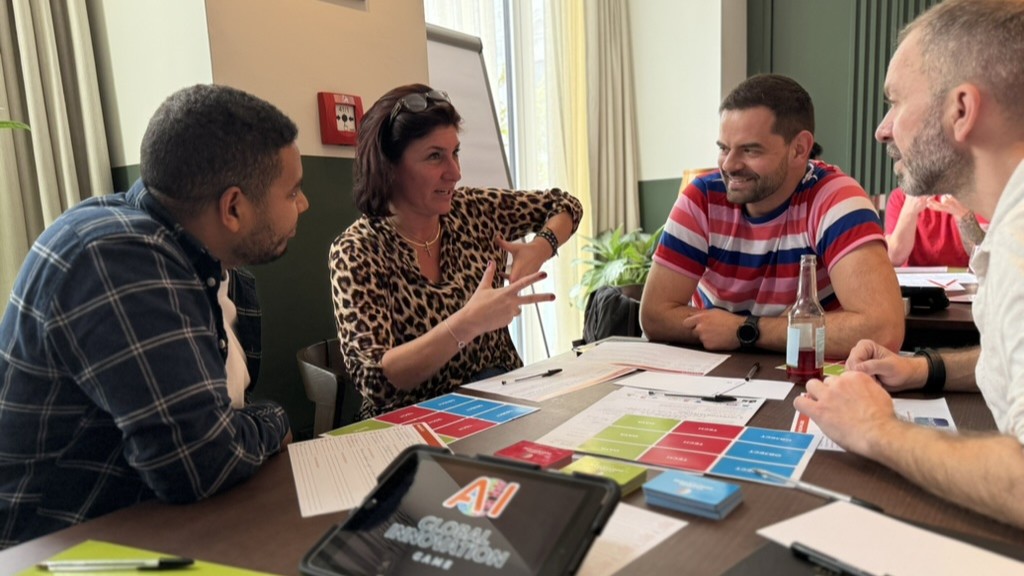
Global Innovation Game challenges teams to combine unrelated concepts, develop original product ideas and present innovative solutions. The experience encourages divergent thinking, imagination and the ability to recognise unexpected opportunities.
Bot Creation invites participants to brainstorm, design, construct and test robots. Through hands-on experimentation, teams explore creative problem-solving and see how ideas evolve through trial, feedback, and refinement.
Chain Reaction TableTop encourages inventive thinking as participants design interconnected mechanisms that must work together. Teams experiment with different approaches, overcome practical constraints and adapt their ideas to achieve a shared outcome.
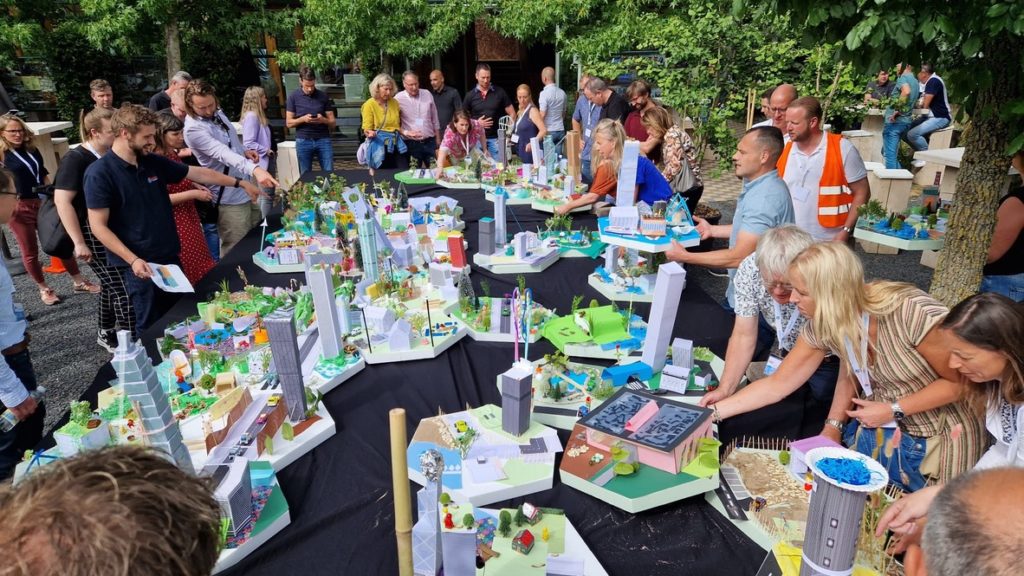
City Build combines imagination with collaborative planning as teams design and construct a shared city. Participants must balance individual creativity with a collective vision.
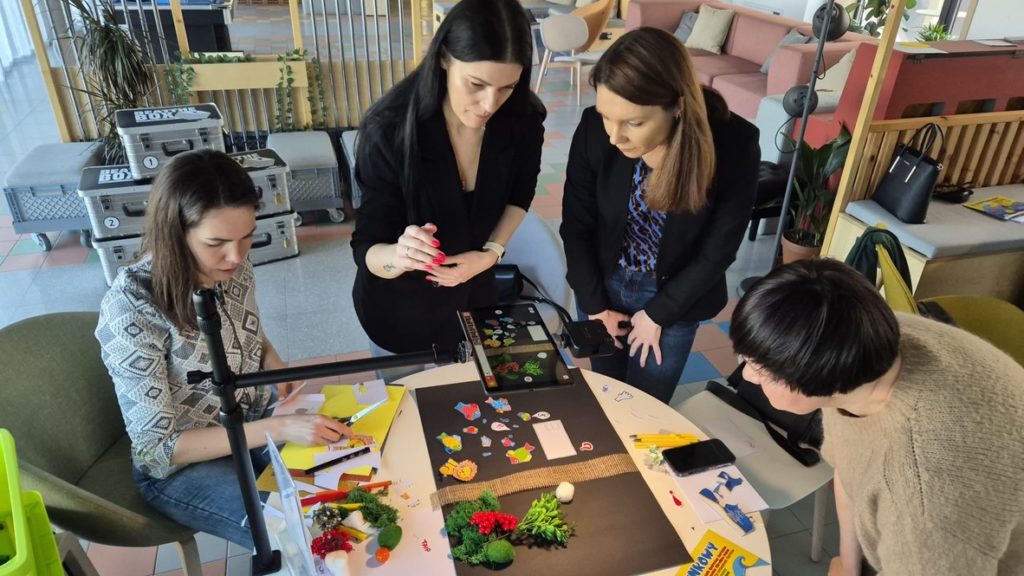
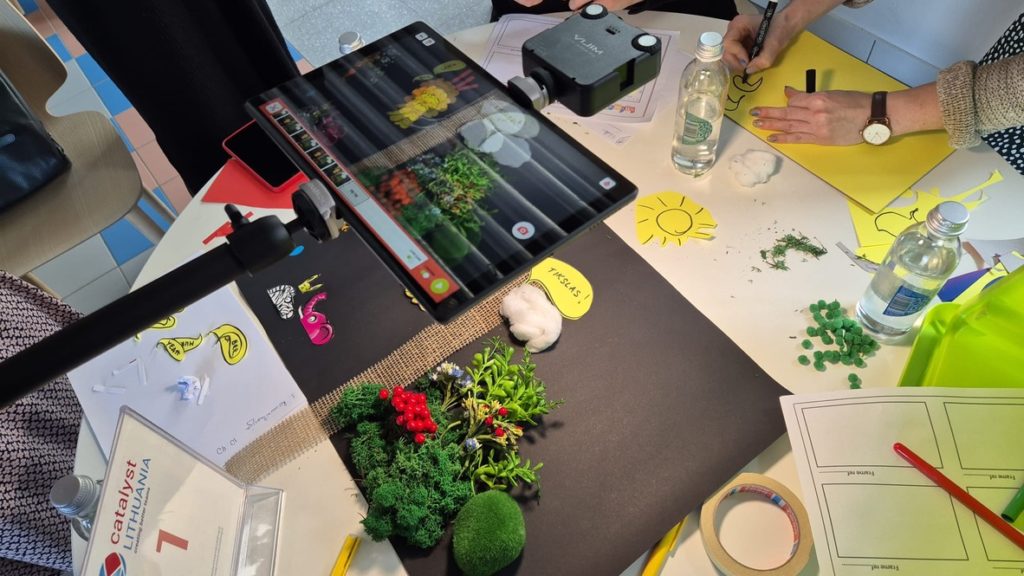
Animate uses storytelling and stop-motion animation to encourage imaginative expression, visual thinking and new approaches to communication.
Commercial Break AI brings together creative storytelling, marketing concepts and artificial intelligence, inviting teams to explore how technology can support original ideas and collaborative content creation.
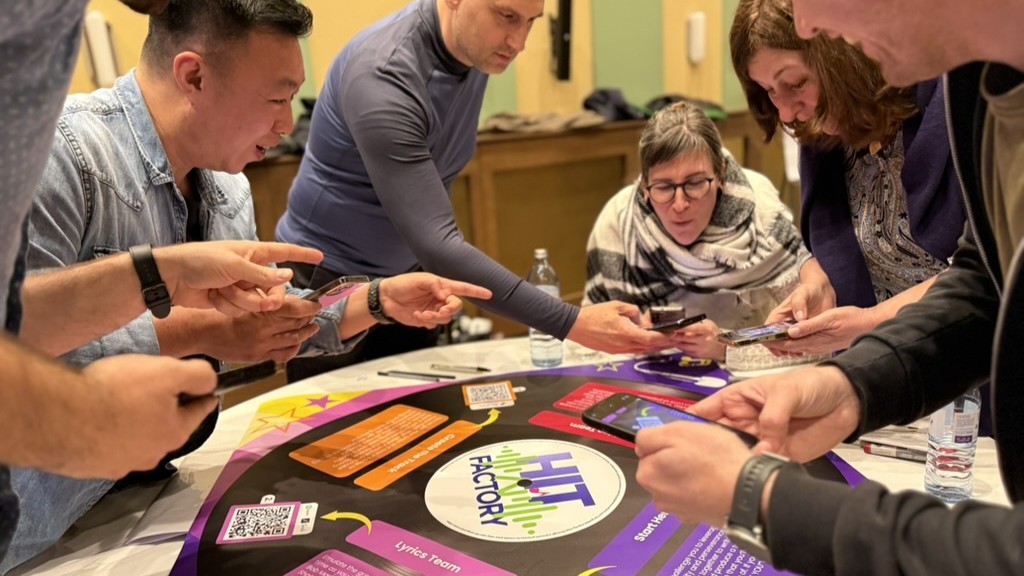
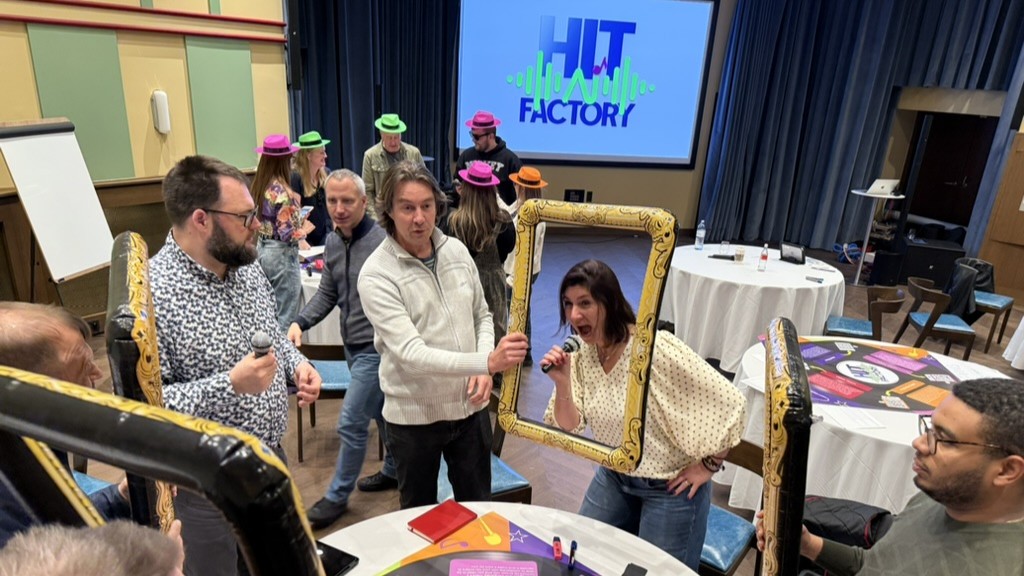
Hit Factory AI combines musical creativity, collaborative songwriting and artificial intelligence as teams develop original songs. The activity encourages creative expression, experimentation and fresh approaches to collaboration.
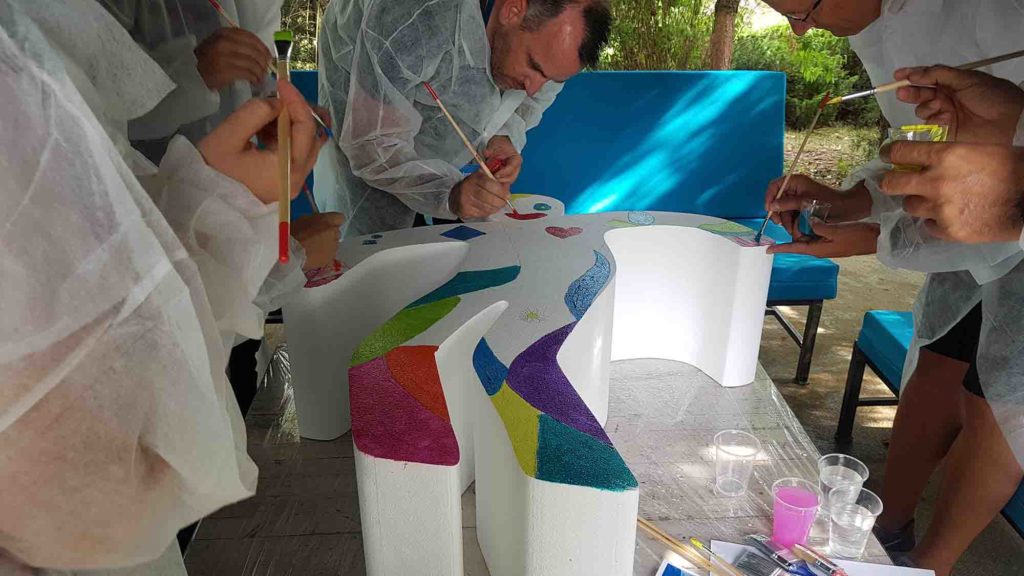
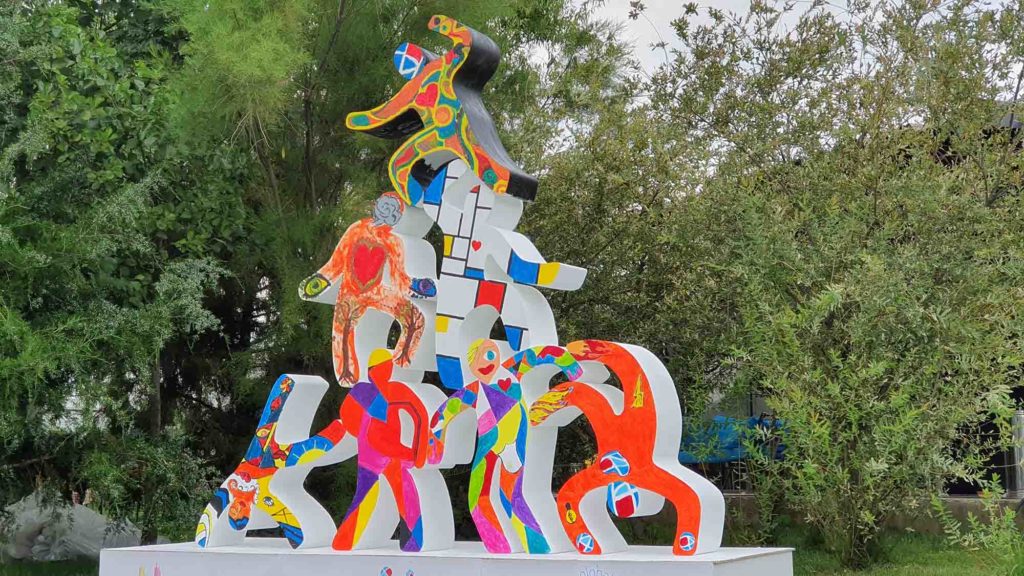
Think Art provides opportunities for artistic experimentation, visual expression and creative collaboration, encouraging participants to approach ideas from alternative perspectives.
Collectively, these experiences demonstrate that creative thinking manifests in various forms, including technical experimentation, innovative design, storytelling, and artistic expression.
These programs are unified by the opportunity to explore possibilities, collaborate across diverse perspectives, and experience the benefits of alternative approaches to thinking.
Creative team-building experiences can introduce new perspectives; however, lasting benefits depend on how organisations reinforce these behaviours in daily operations.
Leaders can promote creative thinking by integrating curiosity, collaboration, and experimentation into standard business practices.
This approach may include encouraging employees to question existing processes, facilitating cross-functional collaboration, or allocating dedicated time to explore potential improvements.
Separating idea generation from evaluation can be beneficial. Letting teams develop multiple possibilities before assessing practical constraints encourages broader exploration.
Reflection transforms creative experiences into meaningful learning opportunities.
When employees discuss how they approached an unfamiliar challenge, what assumptions they questioned, and how they responded when an idea didn't work, they begin to recognise creative thinking as a transferable capability.
Over time, these behaviours can foster confidence, adaptability, and openness to change.
The most innovative workplace cultures are characterised not by the sheer volume of ideas generated, but by environments where individuals feel empowered to explore possibilities and where promising ideas are supported through practical implementation.

Creative thinking is no longer confined to specific roles or industries; it is essential for organisations to respond to change, solve complex problems, and identify new opportunities.
Research from Deloitte and the World Economic Forum highlights the growing importance of imagination, adaptability and human capabilities in the future of work. Thought leaders such as James Taylor further demonstrate how creativity is evolving through collaboration between people and technology.
Leaders have the opportunity to create environments in which these capabilities can thrive.
Experiential team building provides a practical approach to introducing new thinking patterns, encouraging experimentation, and enabling employees to realise the creative potential of collaboration.
Creative thinking enables the exploration of new possibilities. Innovation emerges when teams possess the confidence, collaborative spirit, and commitment necessary to realise these possibilities.
By cultivating creative thinking as a shared capability, organisations can develop teams that are more adaptable, engaged, and prepared for future challenges.
© 2026 All rights reserved.