
Strategic thinking is the ability to analyse complex situations, anticipate change, and make informed choices for long-term outcomes. Leaders evaluate patterns, consider diverse views, and assess how external factors affect performance. Operational thinking focuses on efficiency; strategic thinking sets direction.
Strategic leaders ask questions such as:
By connecting insight with long-term objectives, strategic thinkers guide organisations through uncertainty while maintaining strategic clarity.
The pace of change facing modern organisations has accelerated dramatically. Technological disruption, shifting customer expectations and global competition require leaders to continually reassess assumptions and adapt their strategies.
In this context, strategic thinking offers key advantages:
Ultimately, strategic thinking strengthens leadership capability and enables organisations to navigate complexity with confidence.
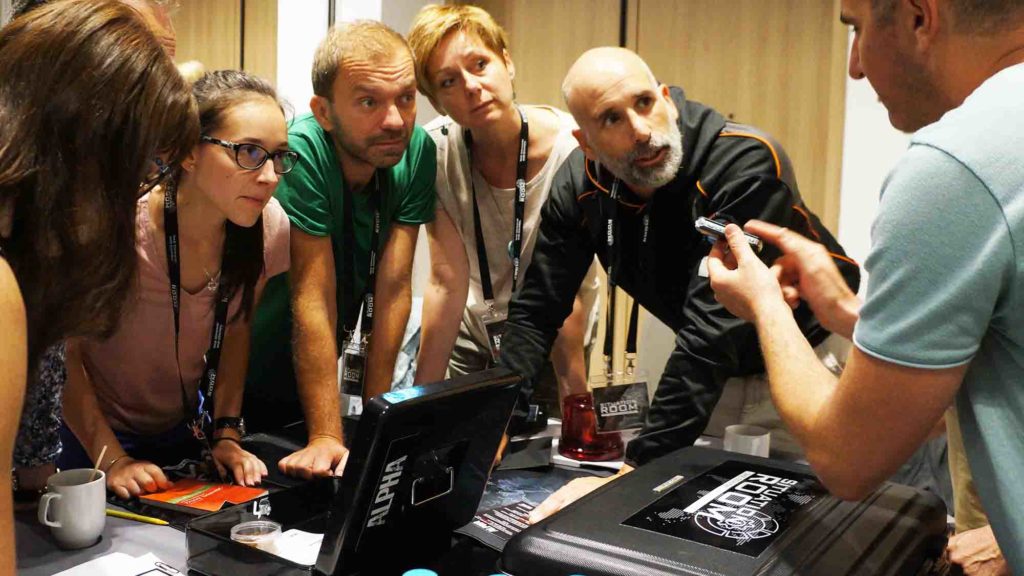
While strategic thinking is often associated with senior executives, modern organisations increasingly recognise that strategy is strengthened when it becomes a shared capability across leadership teams.
Complex challenges rarely have simple solutions. They require diverse perspectives, collaborative analysis and disciplined debate. When leaders from different functions engage in strategic thinking together, they bring varied expertise, experiences and insights to the decision-making process.
This collaborative approach improves both the quality and robustness of strategic decisions. It helps leadership teams identify blind spots, challenge assumptions and explore alternative approaches before committing to a course of action.
Most importantly, it builds stronger alignment. When leaders participate in shaping strategic direction, they are more likely to support and reinforce that direction within their own teams.
Although some individuals appear naturally strategic, strategic thinking skills can be developed through experience, reflection and structured practice.
Leaders who strengthen their strategic thinking capability typically demonstrate several key behaviours:
These capabilities enable leaders to approach complexity with discipline and insight rather than reacting impulsively to changing circumstances.
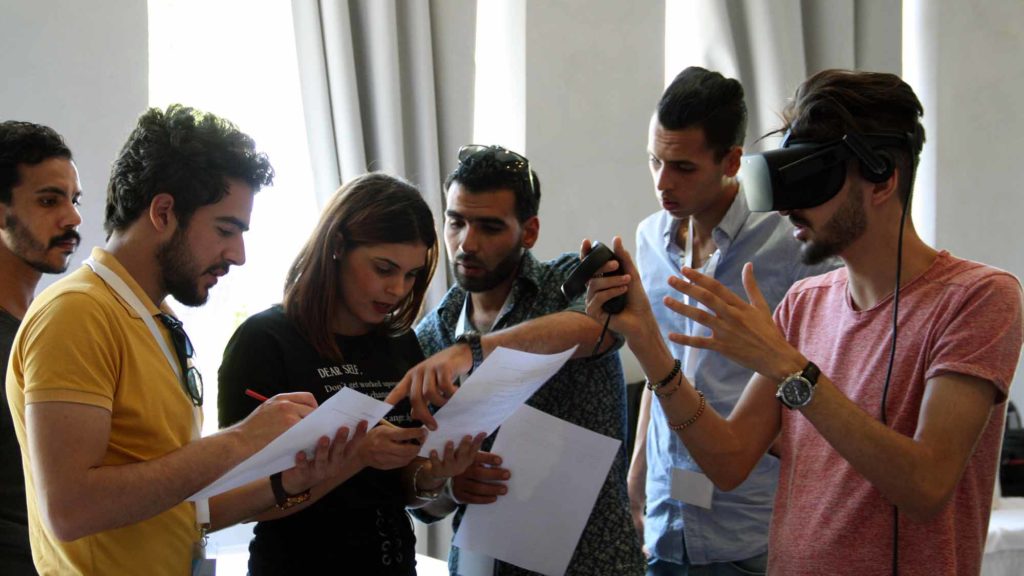
Developing strategic thinking within leadership teams often requires more than theoretical discussion. Many organisations are discovering the value of experiential learning environments that allow leaders to practice strategic decision-making in dynamic settings.
Experiential team development programs create simulated business challenges in which participants must analyse information, interpret competitive dynamics, and make decisions under pressure. In these environments, teams experience the consequences of their choices in real time, strengthening their ability to think ahead, adapt and align decisions with long-term objectives.
Programs such as Peak Performance, Situation Room, and The Infinite Loop place teams in complex strategic scenarios that require long-term planning, collaboration and coordinated execution. Participants must analyse emerging information, evaluate risk and opportunity, and adjust their strategy as conditions evolve.
Other experiences, including Bean Around The World, Chain Reaction TableTop, and the Global Innovation Game, challenge teams to consider resource allocation, market dynamics and innovation while balancing competing priorities. Through these simulations, leaders experience how strategic choices influence organisational outcomes.
Story-driven learning experiences, such as Leadership Stories, further reinforce the human dimension of strategic leadership, encouraging reflection on decision-making, influence, and long-term impact.
By immersing leaders in realistic strategic challenges, experiential learning environments help translate strategic thinking from an abstract concept into a practical leadership capability.
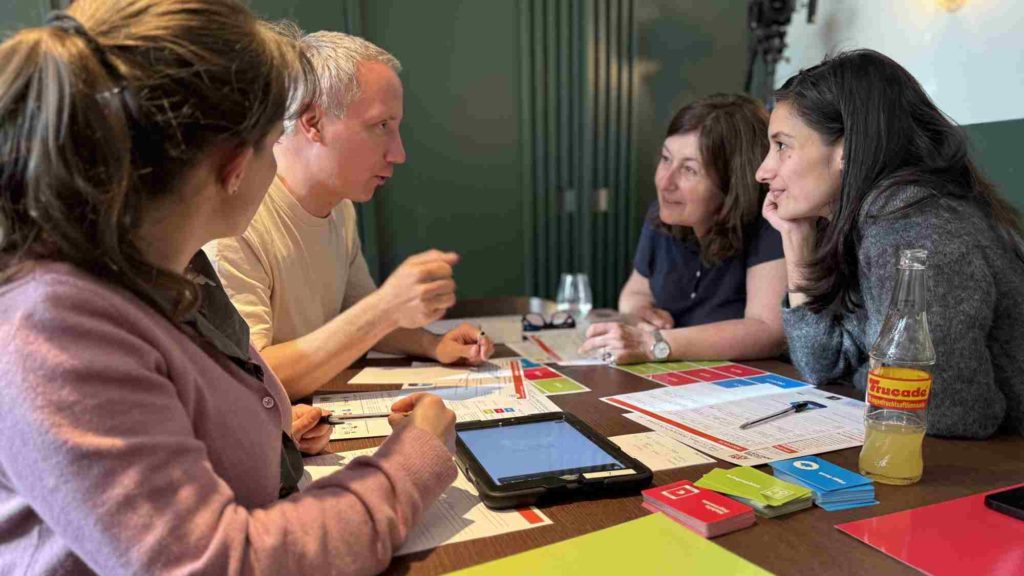
In competitive markets, the ability to think strategically distinguishes organisations that merely respond to change from those that shape it. Strategic thinking enables leadership teams to anticipate challenges, identify emerging opportunities and guide their organisations toward sustainable success. It transforms decision-making from reactive problem-solving into deliberate, forward-focused leadership.
As complexity continues to increase across industries, organisations that invest in developing strategic thinking across their leadership teams will be better equipped to navigate uncertainty and build long-term advantage.
For leaders seeking to strengthen organisational performance, strategic thinking is not simply a management tool. It is the leadership capability that connects insight, decision-making and direction.
© 2026 All rights reserved.