
Modern teams operate differently than they did even a few years ago.
Employees collaborate across multiple locations, functions, and time zones. Communication happens through platforms and devices more often than around meeting tables. Many organisations are managing hybrid workforces where people may spend limited time physically together.
While these changes have created greater flexibility, they have also reduced many of the informal interactions that naturally helped relationships develop inside teams.
And relationships matter more than most organisations realise.
Teams that understand how colleagues think, communicate, and respond under pressure tend to collaborate faster and with less friction. They exchange ideas more openly, adapt more effectively, and recover from setbacks more quickly. Trust improves decision-making because people feel comfortable contributing honestly and constructively challenging ideas.
Gartner’s research on team effectiveness consistently identifies psychological safety as one of the strongest indicators of successful collaboration. Mercer similarly describes “human-centric productivity” as a defining characteristic of organisations seeking to build sustainable future performance.
Culture, ultimately, is not built solely through messaging. It is built through interaction.
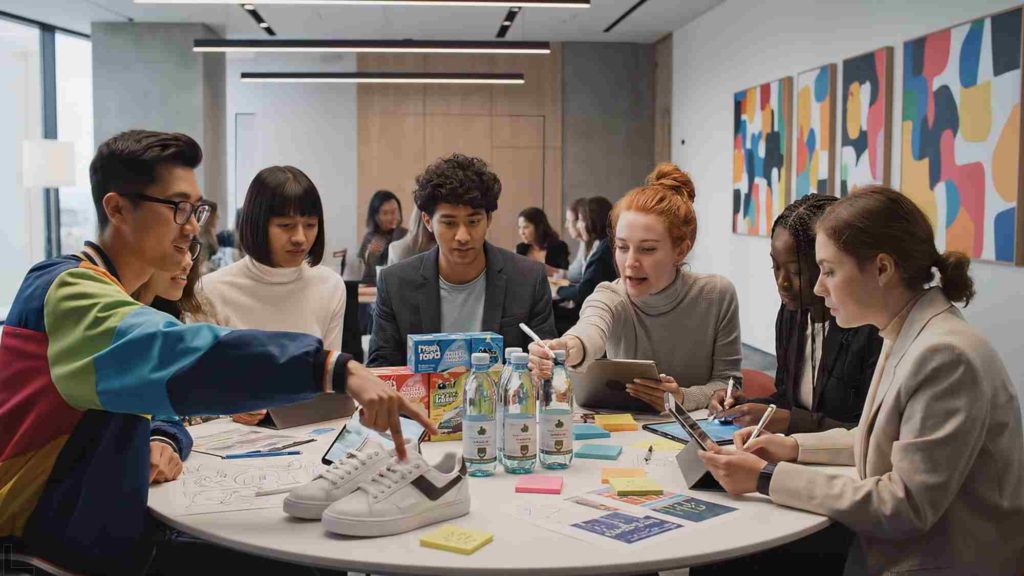
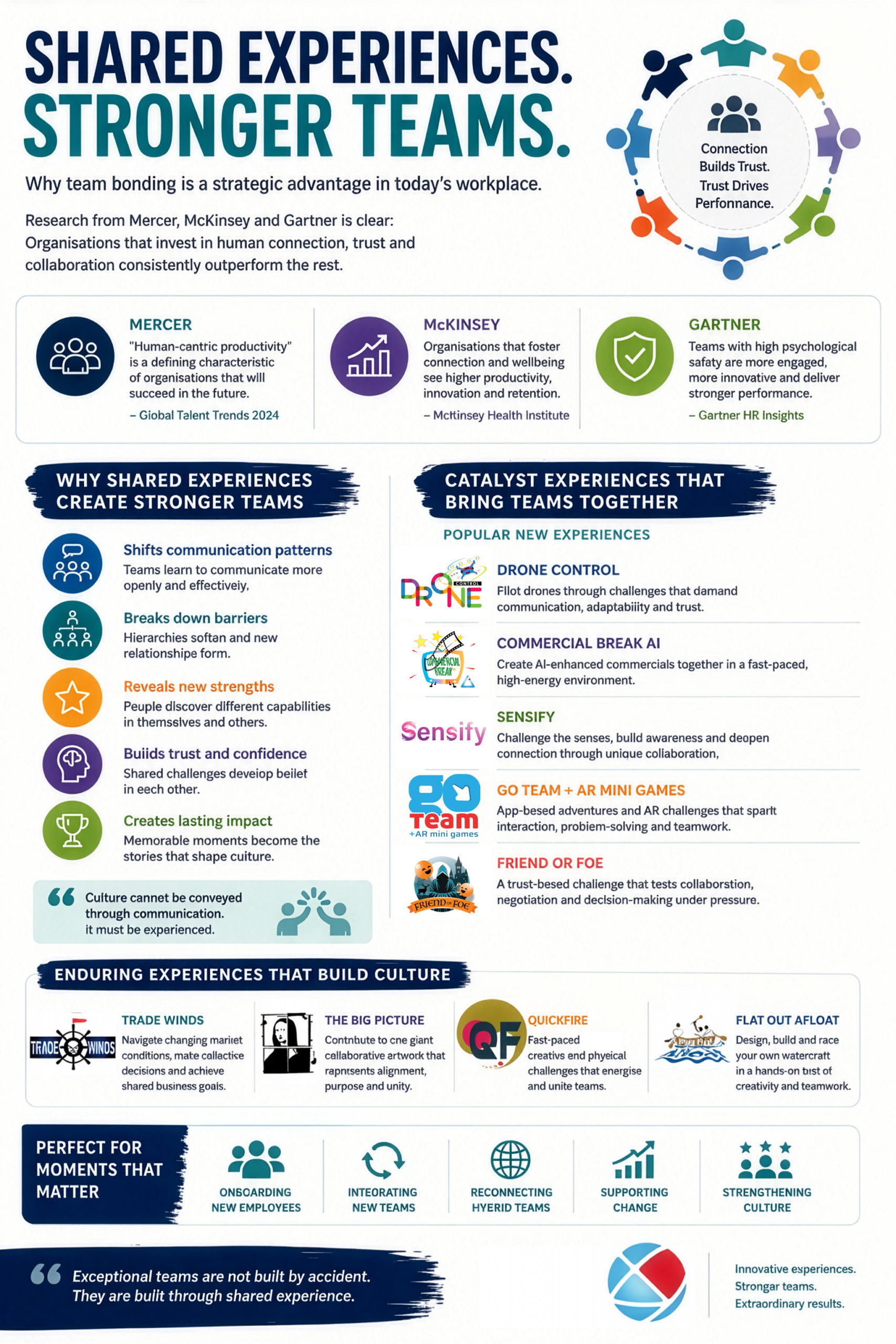
These moments often foster stronger team connection than months of routine workplace interaction. This is why experiential learning and collaborative activities remain such powerful tools for organisations seeking stronger workplace relationships.
At Catalyst Global, team experiences are designed to create exactly these kinds of interactions — combining collaboration, creativity, innovation, and shared achievement in ways that feel engaging while delivering meaningful outcomes for teams.
Some experiences focus on strategic coordination and fast decision-making. Others unlock creativity, adaptability, or collaborative leadership. Many integrate emerging technologies and workplace themes that reflect how organisations increasingly operate today.

Organisational culture is often discussed in terms of values, leadership, or strategy. In practice, culture is shaped far more by repeated behaviours and shared experiences.
Some of the most enduring experiences in the Catalyst portfolio continue to resonate because they tap into universal team dynamics:
Trade Winds — Teams strengthen collaboration and strategic communication as they navigate changing market conditions, make collective decisions, and work together towards shared business goals.
The Big Picture — By contributing individual pieces towards one giant collaborative artwork, teams experience the power of alignment, shared purpose, and collective achievement in a highly visual and memorable way.
Quickfire — Fast-paced mental, creative, and physical challenges energise teams while encouraging rapid collaboration, strategic thinking, and stronger interpersonal connection.
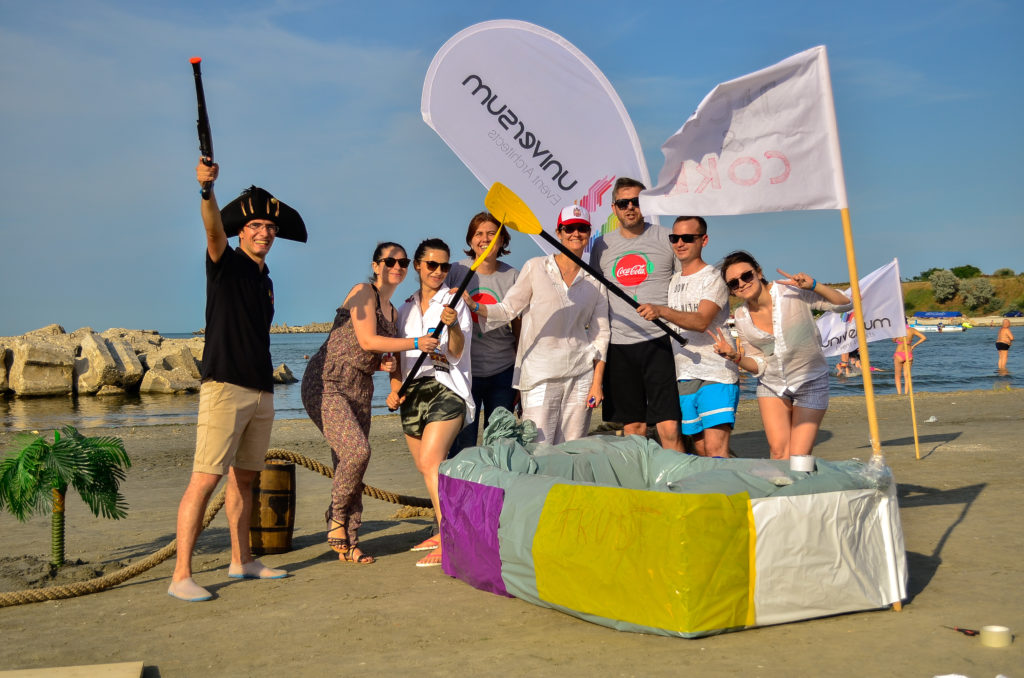
Flat Out Afloat — Teams bond through hands-on collaboration as they design, build, and race their own watercraft, reinforcing communication, creativity, and shared achievement.
Over four decades as an industry leader, we’ve learned that the lasting impact rarely comes from the activity alone. It comes from the conversations afterwards, the shared reference points teams continue to use, and the stronger interpersonal understanding that develops between colleagues.
People remember moments. They remember overcoming challenges together, solving problems collectively, and achieving something unexpected as a team. Those experiences create stories that continue to influence how people interact long after the event itself.
This is one reason why carefully designed team experiences can play such an important role during periods of growth, integration, or organisational change.
They help:
Importantly, these outcomes are difficult to achieve through communication alone. Teams build trust most effectively through direct interaction.
Shared experience accelerates familiarity. Familiarity strengthens trust. Trust improves collaboration.
As artificial intelligence continues to automate technical and process-driven work, organisations are placing greater value on capabilities that remain deeply human.
Communication. Creativity. Emotional intelligence. Adaptability. Collaborative problem-solving - these are increasingly the skills that determine whether teams thrive.
McKinsey’s workplace research suggests organisations investing in employee connection and thriving workplace cultures see measurable gains in innovation, retention, and long-term organisational performance. Gartner’s studies similarly reinforce that connected teams consistently outperform disconnected ones.
Technology may continue transforming how work gets done, but human interaction remains central to how organisations perform.
That is why leading companies continue to invest in experiences that strengthen relationships, improve collaboration, and build stronger team cohesion.
The most valuable team bonding experiences are not distractions from work. They improve the way work happens.
When people trust one another, communicate openly, and feel connected to a shared purpose, teams become more agile, more collaborative, and better able to sustain high performance over time.
At Catalyst Global, we design experiences that help organisations strengthen those connections through collaboration, creativity, and shared achievement.
Because exceptional teams are not built accidentally.
They are built through shared experience.
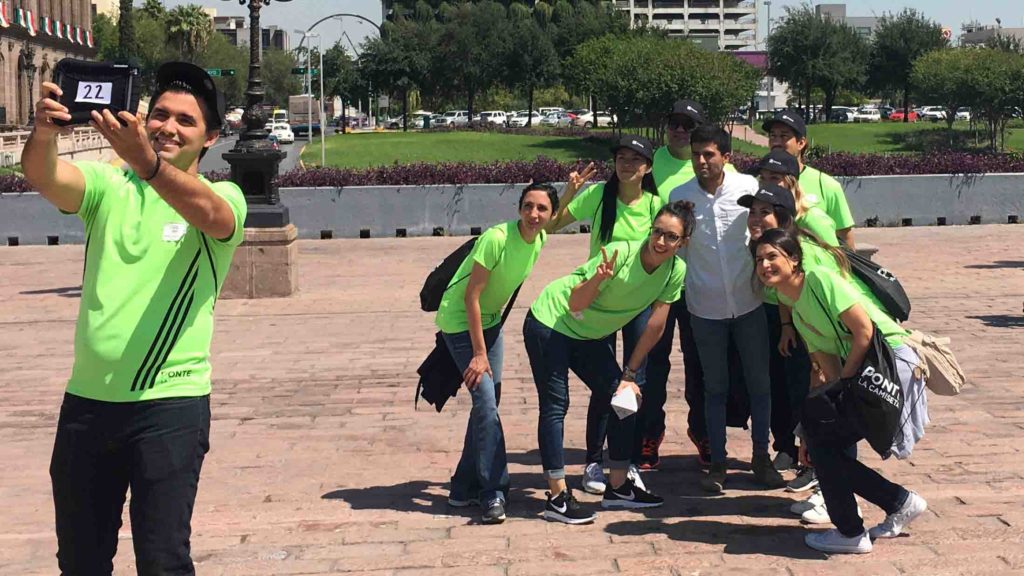
Discover innovative team experiences designed to strengthen communication, collaboration, and workplace connection across your organisation.
© 2026 All rights reserved.