
Passion fosters a sense of purpose in others. However, passion does not arise on its own; it requires an emotional catalyst. Individuals must experience an emotional response before they can fully commit. In the current dynamic business environment, where speed, flexibility, and innovation are essential for success, employees must maintain focus, resilience, and motivation amid continual change.
Skilled leadership is essential in this context. Effective leaders motivate individuals toward shared objectives by serving as influential figures. They achieve this through:
Leaders can hold open forums to encourage transparent communication, recognise achievements during meetings to highlight successes, and facilitate team-building activities to nurture connections and trust. When leaders demonstrate visibility, connectivity, and emotional intelligence, motivation disseminates organically throughout the team.
Motivation flourishes in environments where individuals feel recognised, valued, and appreciated. Recognition that extends beyond the immediate team serves as a powerful motivator. Leaders can implement strategies such as peer-nominated awards or company-wide shout-outs to boost morale. Furthermore, personalised thank-you notes and recognition during meetings can further encourage individuals.
When individuals receive acknowledgement for their contributions, they experience:
For larger or distributed teams, leveraging digital platforms or automated recognition systems can offer scalable solutions. These might include using apps designed for recognising achievements, where peers can send virtual 'kudos' or badges. Implementing an automated recognition system can also facilitate timely acknowledgement by alerting managers when team members reach specific milestones, ensuring no contributions go unnoticed.
High-performing teams intentionally redirect attention from negative behaviours and instead reinforce positive actions. They create opportunities for individual connections, celebrate progress, and ensure collective success. This shared experience is essential because motivation is strongest when individuals perceive their contributions as part of a meaningful collective effort.
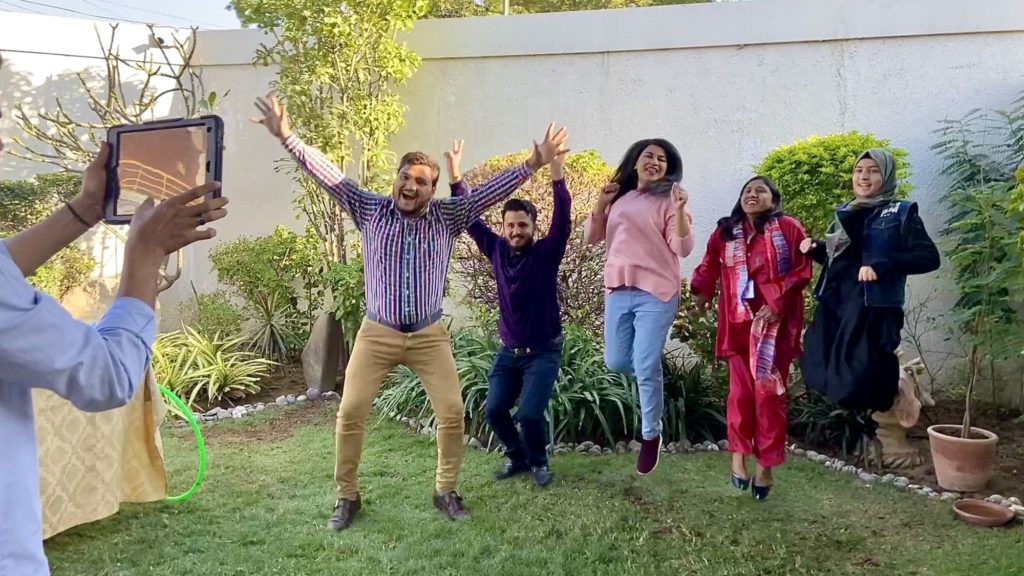
Humans possess an inherent need for belonging. Belonging is established when individuals are surrounded by others who share similar values, pursue common outcomes, and maintain aligned perspectives. When individuals experience a sense of belonging, motivation emerges organically.
Recent research substantiates this perspective. Deloitte's 2025 Human Capital Trends emphasises the increasing significance of personalisation, emotional connection, and meaningful workplace experiences, noting that individuals are most engaged when organisations recognise them as unique contributors rather than solely by their roles or job titles.
Additional studies, such as a Gallup report on workplace engagement, show that teams with engaged employees achieve 21% higher profitability and increased productivity. Furthermore, a Harvard Business Review study found that companies with motivated employees outperform those without by over 200% in market returns. When employees experience emotional investment and personal fulfilment, both motivation and performance improve substantially.
In this context, team building and team orientation serve as powerful tools for organisations. Team building provides structured opportunities for individuals to connect beyond their job functions. It enables teams to:
These shared experiences engage emotional drivers, which are fundamental to motivation. Examples of team-building activities include problem-solving workshops, which can enhance collaborative thinking, off-site retreats that allow team members to bond in a more relaxed environment, and virtual team-building exercises such as online games or peer-learning sessions. These virtual or low-cost activities can be particularly beneficial for HR professionals with limited resources or for remote teams, offering creative solutions to foster unity and purpose without requiring in-person gatherings.
By participating in these activities, teams can break away from conventional work settings and explore creative solutions together, fostering a deeper sense of unity and purpose. At Catalyst, many of our team-building experiences are specifically designed to:
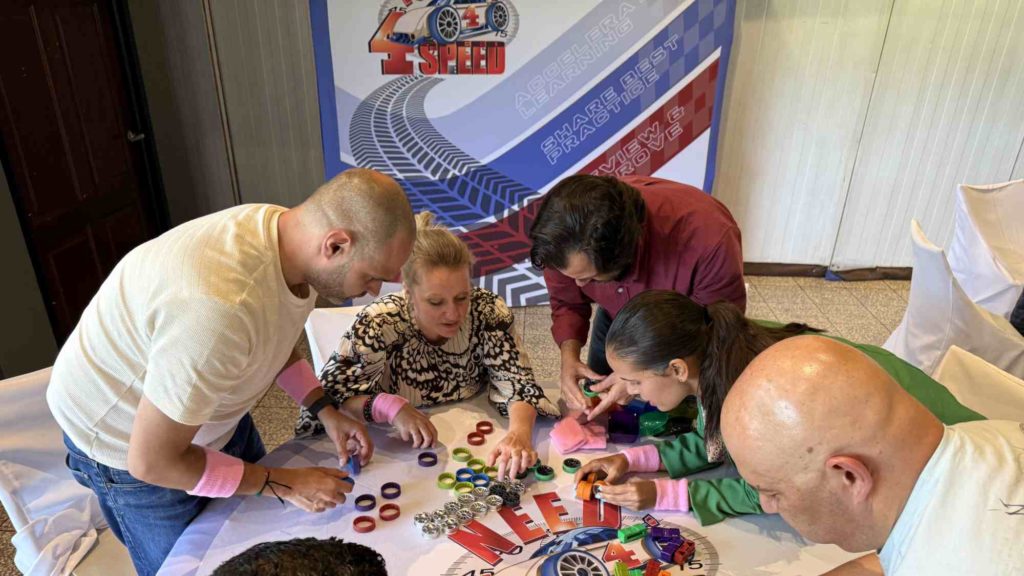
Looking for a high-impact team-building activity that strengthens team motivation? Catalyst team-building experiences focus on connection, collaboration, and shared challenges. Through immersive events or structured orientation programmes, participants feel energised, valued, and aligned, leading to measurable improvements in workplace outcomes.
Each of these programmes is a strategic tool for increasing motivation, helping teams align around a shared purpose and enhancing performance.
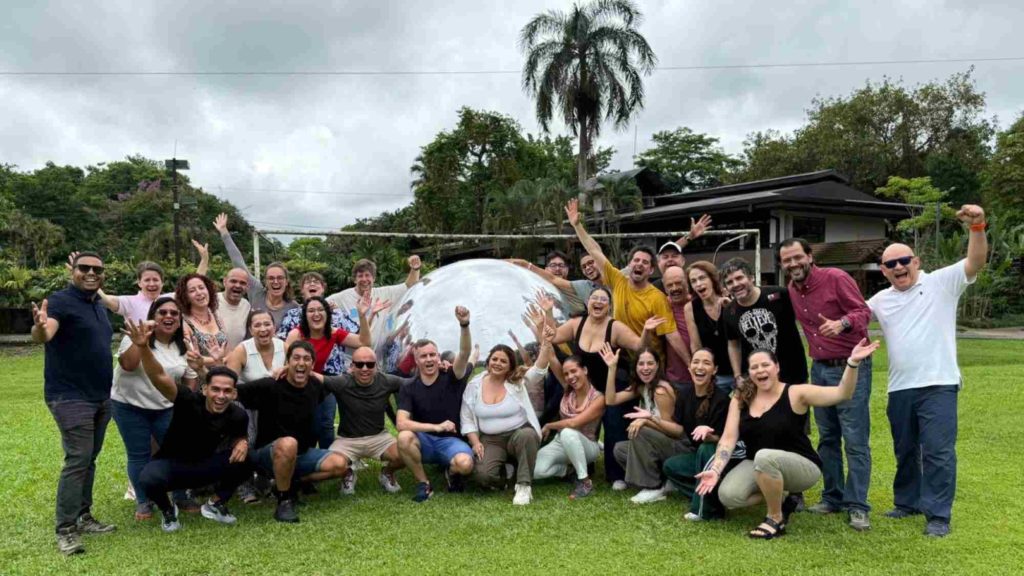
Motivation is not a singular event; it is a sustained state fostered by emotion, recognition, and belonging. Team-building experiences serve as effective catalysts by igniting passion, strengthening relationships, and aligning individuals around a shared purpose.
When individuals feel connected to one another and to the organisation’s mission, motivation becomes self-sustaining. Teams operate with greater speed, adaptability, and innovation, and demonstrate full commitment. To ensure team motivation remains strong beyond events, it is crucial to implement strategies for ongoing engagement. Regular follow-ups can include check-ins to revisit team goals, provide feedback, and acknowledge individual and collective achievements.
Additionally, integrating team-building principles into daily routines, such as collaborative exercises during meetings or brief motivational updates, can reinforce a continuous sense of unity and purpose. For example, HR can embed motivation practices by designating weekly recognition moments where team members can highlight each other’s contributions, or by organising monthly team reflections to review progress and share insights. These consistent practices not only sustain motivation but also foster a culture of appreciation and collective growth.
Motivation originates with emotion. Team building transforms this emotion into a shared experience, laying the foundation for meaningful transformation.
Contact your local Catalyst Team Building Network representative to discover how our immersive team building programs can help you foster a more motivated, high-performing, and purpose-driven team.
© 2026 All rights reserved.