
For years, resilience was viewed as a personal quality that individuals either possessed or developed. While mindset is important, this view is incomplete.
In high-performing organisations, resilience is embedded within the team.
Team resilience is evident in how teams:
Teams that consistently demonstrate these behaviours absorb disruption without fragmentation. They remain aligned, solution-focused, and forward-moving, even in uncertain conditions.
Resilient teams are built on mindset, environment, and shared experience. Across cultures and markets, the same core elements consistently emerge.
These qualities are not developed through theory alone. They are strengthened through experience.
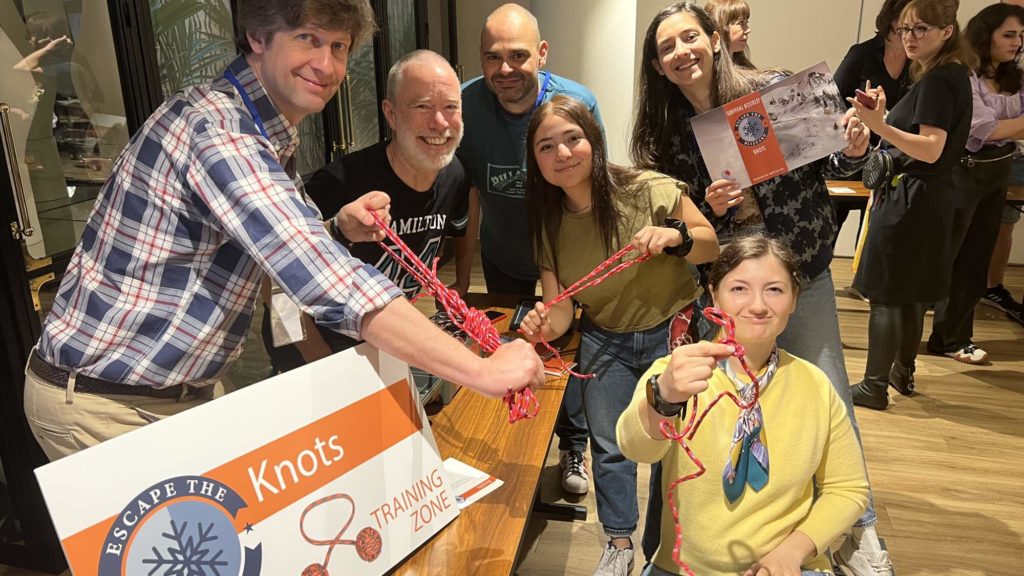
A common challenge is that organisations often address resilience conceptually, using frameworks, models, or discussions. While these offer useful language, they rarely change behaviour on their own.
Resilience is built at times of challenge.
When teams encounter situations where:
Teams must respond in real time. These experiences reveal behaviours, test assumptions, and create growth opportunities that passive learning cannot replicate.
When structured reflection follows these moments, teams can turn experience into insight and insight into lasting change.
Many organisations are shifting focus from understanding resilience to actively developing it.
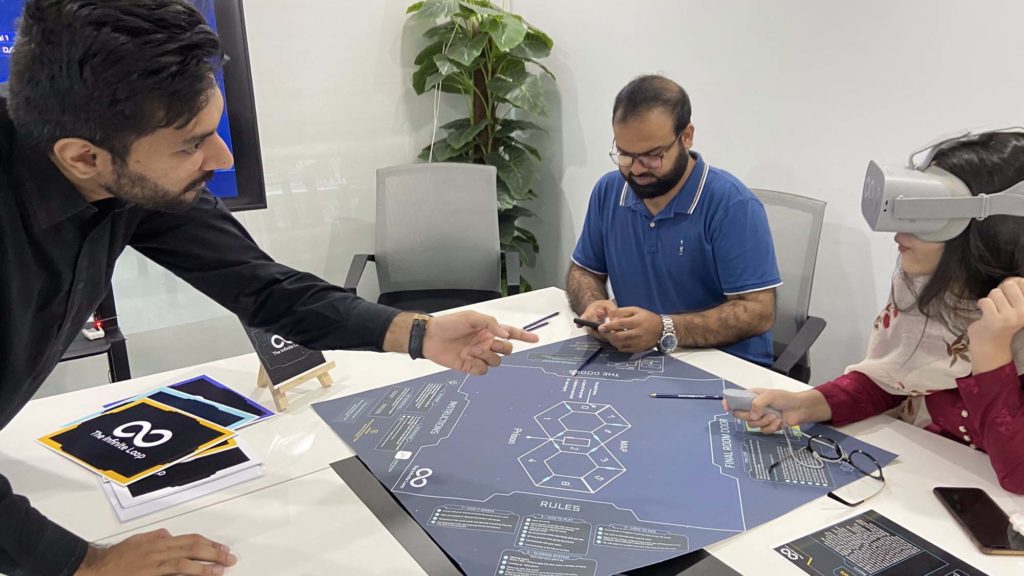
Resilience exists within teams but is shaped by leadership.
Leaders play a critical role in:
During change, teams look to leaders for direction and stability, not certainty. Leaders who combine transparency with confidence help teams remain engaged and focused, even when outcomes are unclear.
Resilient leaders do not eliminate challenges. They create conditions for teams to manage them successfully.
Organisations that invest in resilience are not just preparing for disruption; they are positioning themselves to perform through it.
Resilient teams:
In a global context, where teams are distributed, diverse, and operate across time zones and cultures, these capabilities are even more valuable.
In this way, resilience becomes a competitive advantage.
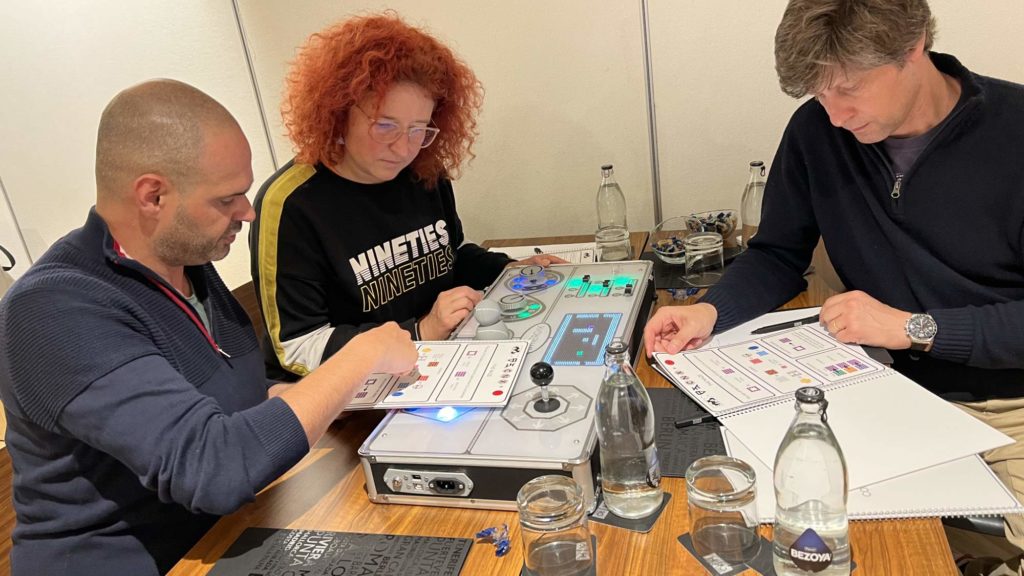
Global organisations increasingly recognise that resilience is strengthened through shared challenges.
Teams develop stronger trust, clearer communication, and a deeper understanding of how they operate under pressure.
These shared experiences create a common reference point, one that teams can draw on when facing real workplace challenges.
For many organisations, experiential learning accelerates this process by providing a structured, engaging environment in which resilience develops in practice.
Change is not a phase; it is the context in which modern organisations operate.
The question is no longer whether teams will face disruption, but how effectively they will respond when they do.
Building resilient teams requires intention and investment in people, leadership, and experiences that shape how teams think and act under pressure.
Now is the time to act: invest in building resilient teams, empower your people through shared experience, and lead with intention. Begin today to ensure your teams not only weather the next storm but grow stronger as a result.
If you’re exploring how to strengthen resilience across your teams, we work with organisations globally to design experiential programmes that build adaptability, trust, and performance in times of change.
© 2026 All rights reserved.