
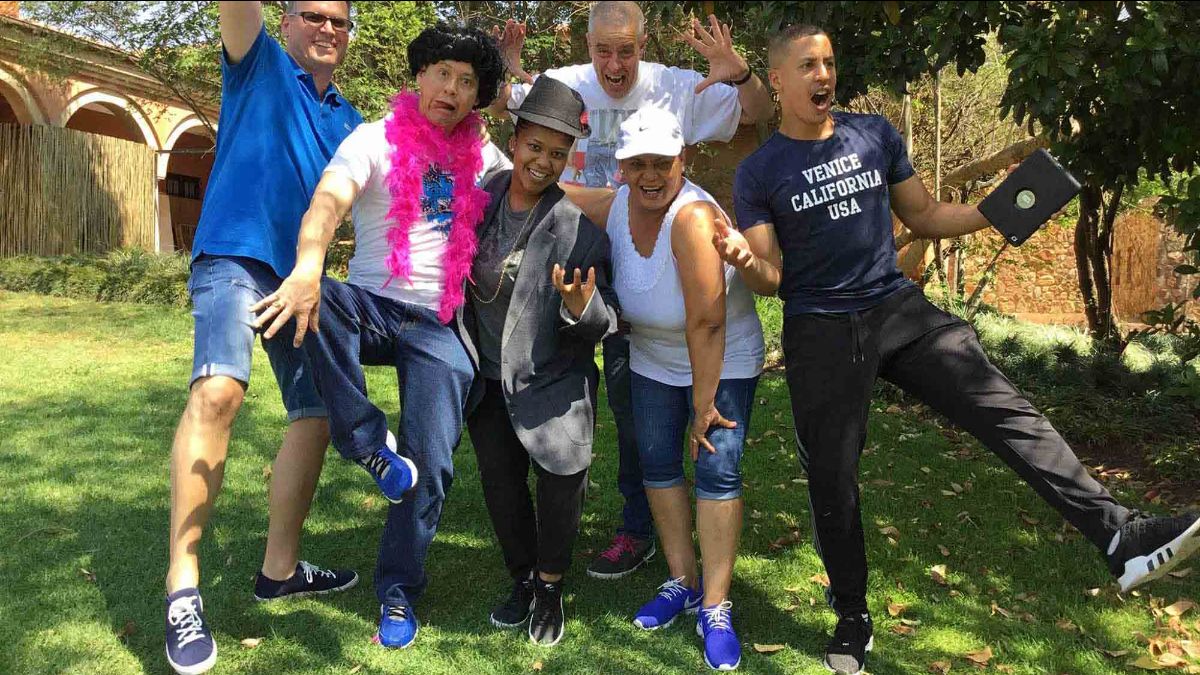
On 21 May, World Day for Cultural Diversity for Dialogue and Development offers organisations a timely moment to reflect on how their teams work across differences.
Most organisations already recognise the value of diversity. Many actively promote inclusion and global representation. Yet diversity alone does not automatically improve performance. The real differentiator is how effectively people communicate, collaborate and make decisions across cultural perspectives.
That is where dialogue becomes critical.
Workplaces are increasingly diverse by design. Teams bring together different cultures, experiences and ways of thinking. But without effective communication, these differences can create friction rather than value.
Misunderstandings. Assumptions. Misaligned expectations. These are rarely visible at the policy level; they show up in everyday interactions. This is why diversity must be paired with capability. Not just awareness, but practical skills in how people work together.

Diversity only becomes an advantage when people can:
In other words, performance is shaped by the quality of dialogue. When dialogue is weak, diversity becomes complex to manage. When dialogue is strong, diversity becomes a driver of innovation and resilience.
World Day for Cultural Diversity is a prompt for practical reflection.
For example:
These are important performance questions.
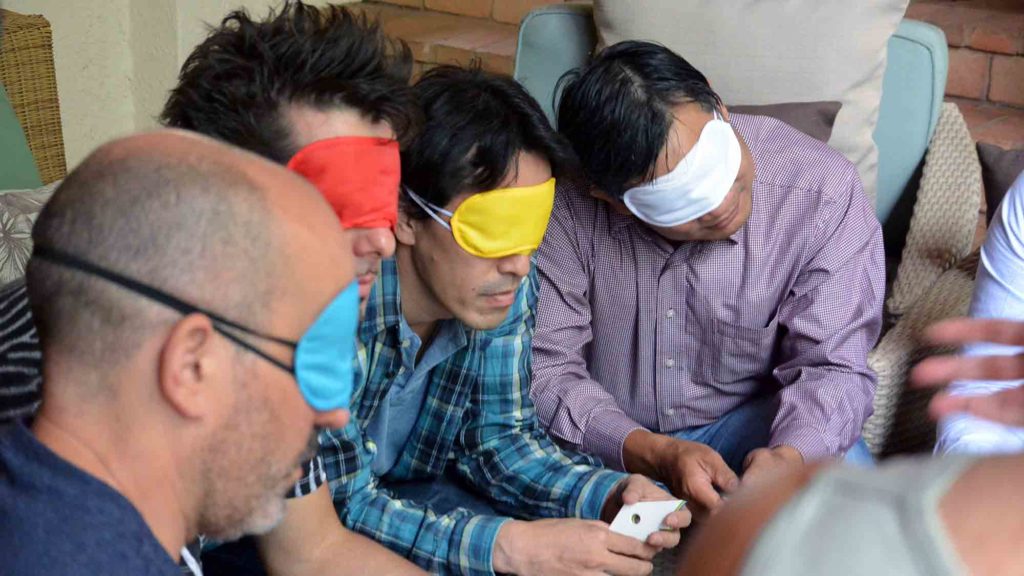
Awareness alone does not change behaviour. Teams need space to experience how they operate under pressure, across differences, and in real collaboration scenarios.
This is where experiential learning becomes powerful. Well-designed team-based programmes allow organisations to:
The focus is on behaviour, interaction and measurable improvement.
World Day for Cultural Diversity provides a natural and credible opportunity to advance these conversations. Not as a one-off initiative or as a symbolic campaign, but as a meaningful reflection on how effectively teams already work across differences, and where they can improve.
Organisations that approach this with intent move beyond recognition and build strong capability.
Cultural diversity does not create value on its own. It is the quality of dialogue across cultures that determines whether diversity becomes an advantage or a challenge.
When organisations invest in how their people communicate, collaborate and make decisions across differences, they create stronger performance, deeper inclusion and more innovative outcomes.
© 2026 All rights reserved.